
14" X 40" Benchtop Wood Lathe Review: Power in 4 Speeds





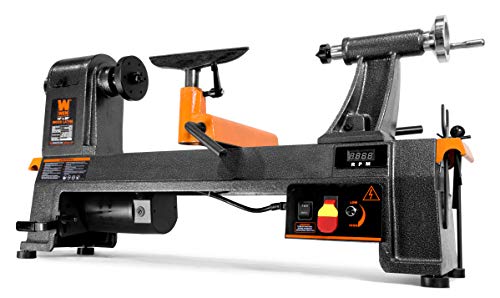


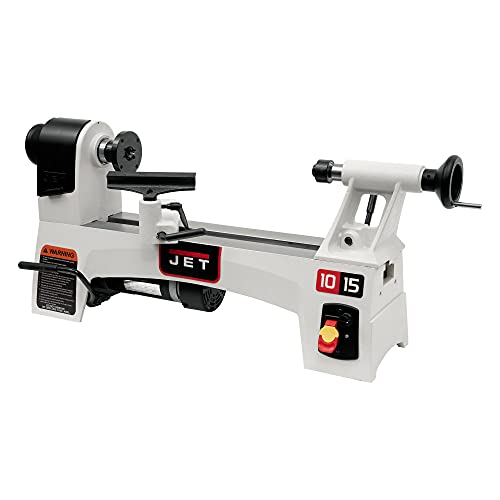


The 14" x 40" benchtop lathe packs a 0.5 HP (370 W) motor and four fixed speeds: 885, 1245, 1715, 2425 RPM. It suits small-to-medium work, cleanly handles up to 4" blanks, but larger diameters strain the motor and can cause chatter or overheating. The steel frame and aluminum bed reduce vibration, though occasional wobble appears. Included chisels are poor; upgrade and bolt the unit to a bench. Continue for setup, tuning and upgrade guidance.
Main Points
- 0.5 HP (370W) motor with four fixed speeds (885/1245/1715/2425 RPM) provides steady power for small-scale turning tasks.
- Handles up to 4-inch-diameter blanks cleanly; larger pieces may strain the motor and increase chatter.
- Aluminum alloy bed and solid steel frame reduce vibration, but occasional vibration and overheating have been reported.
- Included chisels are low quality; upgrading to better tools is highly recommended for improved cuts and safety.
- Overall a budget-friendly choice for beginners and hobbyists, rated about 3.9/5, with bench bolting suggested for stability.
Quick Specs & Price Check
For beginners, ensure the lathe’s swing capacity and center distance fit your projects, and look for variable speed or low-RPM torque if you plan to turn denser hardwoods.Why This Product Stands Out
Because it pairs modest but usable power with a vibration‑resistant build, the VEVOR 14 x 40 Benchtop Wood Lathe makes a clear case as an entry‑level shop workhorse.
| Feature | Benefit |
|---|---|
| Motor | 0.5 HP, decent power |
| Speed | variable speed, 4 settings |
It pairs a 0.5 HP motor and solid steel headstock, yielding decent power for small projects and controlled cuts. Variable speed control lets operators match RPM to stock. The aluminum alloy base feels well built, cutting vibration and improving finish. Accessories onboard enable work. Some users report mixed reliability, particularly regarding overheating and tool rest stability, so maintenance and realistic expectations are key. Customer service and warranty options offer support if needed. Recommendation: buy this to learn, hobby turning, and small shops; reliable power, no extra cost. Not for large production runs. Clear, liberating for makers who want useful capability with few compromises.
First Impressions & Build Quality
Out of the box, the 14 x 40 Benchtop Wood Lathe is packaged securely and requires only basic assembly; it measures 32.68 x 11.42 x 16.54 inches and weighs about 50 pounds, so a clear bench and a helper are recommended for lifting.
Construction pairs a solid-steel headstock with an aluminum-alloy base, delivering a sturdy feel with factory-machined contact points and generally tight fasteners, though minor paint blemishes can appear, so users should inspect hardware and align the tailstock before the first cut.
Stability is acceptable for small-to-medium blanks with low vibration at moderate speeds, but users should bolt the unit to the bench and avoid large, unbalanced work at the highest RPM; for heavier projects, a heavier cast-iron model is recommended.
For long-term reliability, follow general maintenance practices like cleaning and lubricating moving parts and inspecting belts and pulleys as outlined in the manufacturer guidelines.
Packaging and Unboxing
One clear advantage of the VEVOR Benchtop Wood Lathe is its secure packaging, which in most cases delivers all parts intact and ready for immediate setup.
Reviewers report positive packaging and unboxing, finding a well built unit of about 50.6 pounds and compact dimensions (57.48 x 8.07 x 13.39 inches) that suits small benches. Included accessories—full chisel set, faceplate, wrenches—make first projects possible.
User experiences are mostly favorable, though some note missing components on delivery.
Recommendation: inspect external damage, open boxes on a cleared bench, inventory components against the parts list, and test key fittings immediately. If parts are missing, document and contact seller promptly.
Practical, simple steps preserve time and freedom to begin work. This approach protects the buyer's rights and jumpstarts creativity.
For context, this VEVOR model offers a 14 x 40 capacity with 0.5 HP and four preset speeds, and often includes a chisel set and faceplate as noted in our VEVOR models overview.
Construction and Materials
After confirming all parts during unboxing, attention shifts to the lathe's construction and materials. The lathe feels well built, aimed at craftsmen who want reliable wood tooling.
A solid steel headstock anchors the design; it weighs about 50.6 pounds, providing heft without excess. The sturdy aluminum alloy base cuts weight while keeping durability.
Dimensions measure 57.48 x 8.07 x 13.39 inches, compact for benchtop use. The high-frequency motor reaches 2425 RPM, matching power claims.
Practical advice: prioritize replacing the included chisels if precision matters. For stability and comfort, pairing the lathe with a height adjustable stand like the WEN LA8800 can create a more secure, ergonomic workspace.
Review summary:
- Solid steel headstock — core strength.
- Sturdy aluminum alloy base — lighter support.
- Weight ~50.6 lb — portable heft.
- Motor 2425 RPM — usable power.
Recommendation: accept the build, swap tools. Work free sooner.
Fit, Finish, Stability
While the VEVOR benchtop lathe combines a solid steel headstock with an aluminum alloy base, its fit and finish favor practical sturdiness over precision cosmetics. It feels built well and heavy-duty construction reduces chatter, delivering steady performance for most shop tasks.
The 50.6 lb mass and compact 57.48 x 8.07 x 13.39 inch footprint give a steady platform, though some report instability with pieces over six to eight inches. For reliable results mount it to a solid benchtop, add anti vibration pads, tighten fasteners, and dial tailstock alignment before turning.
Expect a functional fit and modest finish, serviceable paint and trimmed castings; not a showroom piece. If stability and high diameter performance matter, step up to a floor lathe.
Takeaway: useful, direct, welcome liberation.
Performance Deep Dive
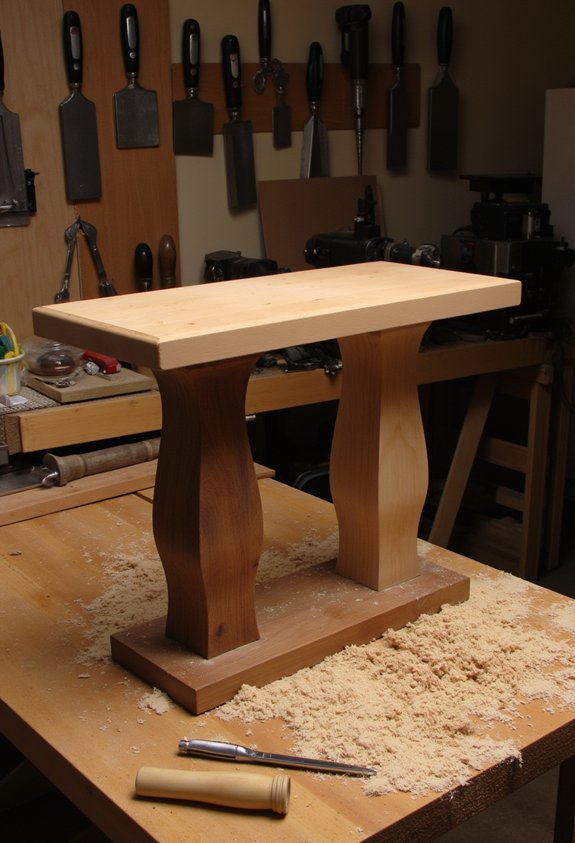
Evaluating performance, the lathe delivers steady, usable power for small-scale turning, driven by a high-frequency motor that tops out at about 2,425 RPM.
It balances performance and control with four adjustable speed settings, aiding efficient woodturning for spindle work. The sturdy aluminum alloy base and solid steel headstock cut vibration, improving finish quality.
Designed for professional DIY woodworkers, it handles up to 4-inch diameters cleanly; larger blanks over 6–8 inches strain the spindle. Included chisels are serviceable but will likely be replaced early.
- Use 885–1245 RPM for roughing and larger blanks.
- Choose 1715–2425 RPM for finer shaping and details.
- Secure work and favor short tool engagement to reduce chatter.
- Replace cutters with higher-grade chisels for best results.
Expect steady control.
Value for Money Analysis
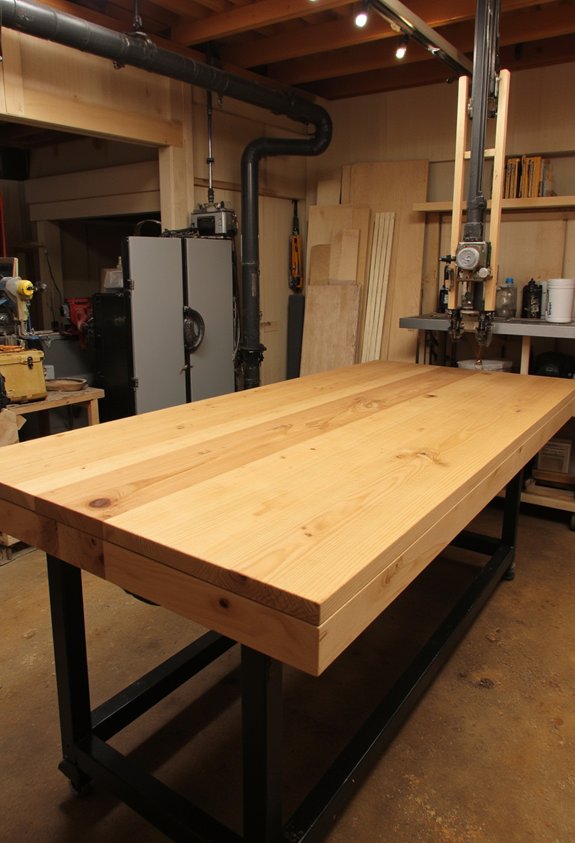
With performance established, the value assessment shows the lathe is a solid budget choice for hobbyists who turn small pieces. It pairs a 0.5 HP (370W) motor with four speeds (885–2425 RPM), delivering usable performance for bowls and spindles.
Customer feedback averages 3.9/5, praising the solid steel headstock and sturdy aluminum alloy base. Criticisms target the cheap included chisels and occasional vibration.
On value for money, the low price and 30‑day return policy reduce risk; warranty options add assurance.
Recommendation: accept the lathe for beginners, but plan to buy quality chisels and check alignment on arrival. Return promptly if wobble exceeds 1–2 mm.
Overall: compact, well built where it counts, pragmatic buy. Measure runout, test all speeds, and keep vendor contact details handy now.
Who Should (and Shouldn't) Buy This
The lathe suits hobbyists and beginners who want a compact, affordable machine for small to medium turning work.
The benchtop wood lathe serves professional DIY woodworkers seeking liberation with projects; the 0.5 HP motor and 885–2425 RPM range handle bowls, spindles, jars under ~4–6 inches.
Not ideal for larger pieces over 6–8 inches, nor for heavy commercial use, given reported stability and quality control concerns. Included chisels likely need early replacement.
- Who should buy: beginners, hobbyists, professional DIY woodworkers for small projects.
- Who should avoid: professionals needing high-performance, and those planning larger pieces.
- Action: plan to upgrade chisels and secure the bench for extra stability.
- Takeaway: affordable, capable, limited — buy for freedom, not full-power production.
They should budget for upgrades, period.
Top 3 Competitors Compared
Three clear rivals stand out: the Rikon 70-1420VSR, the Record Power Herald, and the heavier Harvey T40.
Among competitors, the Rikon delivers 1.5 HP and superior torque, but costs more and weighs more, so it suits users who demand robust Power Wood Turning Lathe.
The Record Power Herald wins on documentation; it includes a clear user manual and a smoother setup.
The Harvey T40 adds mass—around 100 pounds—for stability on larger work.
By contrast the VEVOR is an entry-level option: 0.5 HP, four adjustable speeds, and 50.6 pounds, useful for small projects. Critics note the quality of chisels included is low.
Recommendation: choose Rikon for power, Herald for guidance, Harvey for stability, VEVOR for budget practice. Allow tool upgrades as skills and budget grow.
-o-

Final Verdict
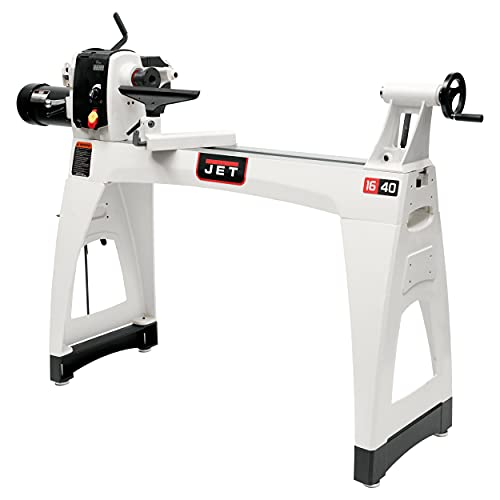
After weighing the Rikon, Record Power Herald, Harvey T40, and VEVOR options, the 14 x 40 Benchtop Wood Lathe from VEVOR proves the pragmatic pick for entry-level and space‑limited users.
- Power and speeds: 0.5 HP (370W), adjustable speeds 885/1245/1715/2425 RPM.
- Build: high-quality construction with aluminum alloy base and solid steel headstock.
- Reality check: feedback notes good customer satisfaction on quality; stability and chisels need upgrades.
- Advice: bolt to bench, replace chisels, start with medium stock for varied woodworking needs.
Decision: pragmatic, liberating tool for makers who value control over price. Measure, secure, upgrade.
Expect solid performance, clear limits. Users seeking autonomy should prioritize bolting the lathe, stocking replacement chisels, and learning speed selection for better stability and smoother, cleaner cuts.
Frequently Asked Questions
What Is the Best Speed for a Wood Lathe?
The best speed varies; a bowl and spindle coincidentally meet, evoking liberation. The turner trusts lathe speed settings, ideal turning speed, speed versatility benefits, wood types influence, project specific speeds, beginner speed recommendations for freedom.
What Brand of Wood Lathe Is Best?
No single brand is best. They consult wood lathe brands and lathe brand comparisons, seek best beginner lathe guidance and professional lathe options; lathe brand reviews of popular lathe manufacturers empower liberated, self-directed equipment choice.
What Not to Do on a Wood Lathe?
Dangerous dalliances: the turner must not recklessly ignore safety precautions, commit common mistakes such as poor tool selection and insecure workpiece mounting, neglect lathe maintenance, or bypass proper finishing techniques while pursuing liberated creative expression
How Much Power Does a Wood Lathe Use?
About 370–400W, lathe power consumption typically suits small to medium projects; liberated users value energy efficiency, consider motor types, voltage requirements and power ratings to minimize operational costs and freely pursue creative woodworking and autonomy
 Metal-Wood Lathe Review: Hybrid Precision, Zero Chatter
 Mini Metal Lathe Review: 36W DIY Speed Demon at 20,000 RPM
Budget-Friendly Woodworking Tools Under $100: Essential Deals for Hobbyists


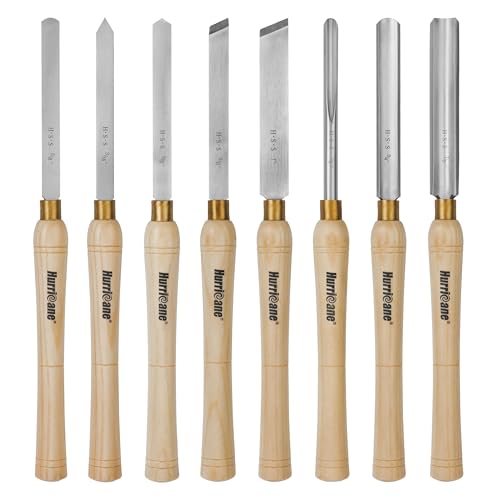


Premium Woodworking Equipment: Professional-Grade Tool Savings


If you want to know other articles similar to 14" X 40" Benchtop Wood Lathe Review: Power in 4 Speeds you can visit the Wood lathe category.
This is also interesting