
TCLVSKIT2 Lathe Upgrade Review: Variable Speed in 20 Min









It converts benchtop lathes to 650–3800 RPM with a 3/4‑HP motor, controller and mounting hardware. Installation is straightforward, about 20 minutes with basic tools, but confirm a 15 mm × 2¼ in shaft fit and dry‑fit components and alignment tweaks before tightening. Metal parts are solid, finish utilitarian, two‑year warranty included. Performance is good for pens and small bowls, may bog under heavy load. It’s affordable and practical; continue for full specs, tips, and comparisons.
Main Points
- 3/4 HP TCLVSKIT2 converts bench lathes to variable speed (650–3800 RPM), compatible with PSI Turncrafter, Jet, and Delta models.
- Typical installation takes about 20 minutes with basic tools; follow drilling template, confirm shaft size, and perform a dry-fit.
- Variable-speed motor handles pens and small bowls well but can bog under heavy load, so precise alignment is essential.
- Solid build, compact packaging, and a two-year warranty make it a high-value upgrade compared with buying a new lathe.
- Customer service experiences vary; document contacts and review return/warranty terms before purchasing.
Quick Specs & Price Check

Why This Product Stands Out

Because it packs a 3/4‑HP motor and a 650–3,800 RPM spread, the TCLVSKIT2 gives benchtop turners a serious upgrade without replacing the lathe. For context, many top lathes now emphasize variable-speed control with strong low‑speed torque and digital readouts, making range and control key upgrade goals.
It delivers Variable Speed control across three belt positions (650–1450, 1250–2800, 1600–3800 RPM), providing real freedom to shape work without limits.
The conversion kit includes a switch box controller, pulley and mounting plate, so installation is simply practical and straightforward.
Comes with switch box controller, pulley and mounting plate for simple, practical installation
Compatibility covers many lathe models, including PSI Turncrafter, Jet and Delta — check shafts and spacing before buying.
Electrical specs (110/120 V, single phase) suit typical shops.
With a 4.3 customer rating from 46 reviews, reliability is credible.
Recommendation: buy for increased control and range; verify fit first to avoid adjustments.
It frees technique, simplifies choices, and speeds confident creative risks.
First Impressions & Build Quality
The kit ships in compact packaging with components laid out for quick inventory, and the metal parts show a clean, utilitarian finish that suggests durability rather than polish.
Key specs are stated plainly—3/4 HP motor, 15 mm shaft (2-1/4 in), 14.15 lb total, and included mounting plate, pulley, hardware and 7 mm drill bit—supporting a typical 20-minute installation if measurements match.
Build quality is generally solid; users should confirm shaft diameter and belt-position alignment before final mounting, tighten fasteners to spec, and expect minor fitment tweaks on a few lathe models—measure twice, bolt once.
Given the range of speed options found in modern lathes, pairing this upgrade with attention to variable speed can help match RPMs to project needs.
Packaging and Presentation
Packaging is compact and purposeful, arriving in a box sized 13.54 × 12.36 × 6.34 inches and weighing 14.15 pounds.
The kit presents contents in foam and compartmented sections, keeping the 3/4 HP Variable Speed motor, switch box controller, pulley, mounting plate, drill bit, wrenches and hardware organized for quick access.
Labels and a clear parts list speed recognition. Included templates and a concise installation guide reduce guesswork; the reviewer found step sequence logical and tools minimal.
The motor appears robust and ready for mounting. For liberated makers: unpack deliberately, inventory components, then test-fit before final installation.
Practical takeaway: neat packaging saves time, limits mistakes, and signals a prepared product — no gimmicks, just usable gear.
Expect a two-year warranty note in documentation included.
For broader context, this upgrade aligns with key lathe priorities like motor power and speed variability, reinforcing the importance of adjustable RPM for diverse woodworking tasks.
Material and Finish
After unpacking, attention turns to material and finish. The kit is mainly metal, giving a solid, industrial feel and clear durability.
The 3/4 HP variable speed motor shows tight machining: body 3-3/16 inches diameter, shaft 15mm by 2-1/4 inches, Class E construction for consistent operation. Surfaces are cleanly finished, edges deburred, hardware robust.
The motor mounting plate is stout, sized to hold the motor without flex while minimizing extra work during the upgrade process. Compatibility is emphasized in component layout and metric hardware choices.
Recommendation: expect a no-nonsense, long-wearing kit; inspect bolts and apply thread locker where vibration matters.
One blunt note: customer service varies, so document parts on arrival. Liberty through reliable tools. They free the maker to work without constant mechanical doubt.
For ongoing performance, pairing the upgrade with proper dust collection improves safety, visibility, and overall shop cleanliness.
Assembly and Fitment
Although installation is straightforward in most cases, the kit demands measured attention to fit and alignment.
The assembly follows a clear sequence: mount the 3/4 HP variable speed motor to the provided motor mounting plate, use the drilling templates, and secure hardware. Check shaft dimensions—15mm by 2-1/4 inches—against the lathe pulley before tightening.
Metal construction and 14.15 pound mass add stability, but confirm flatness and alignment. Allow 20 minutes for basic installation, longer if minor adjustments are needed.
Recommended steps: dry-fit components, drill through template holes, torque fasteners evenly, verify belt position among three speed settings.
Expect workarounds on non-listed models; patience beats force. Result: predictable fitment, solid performance, and liberated control over lathe speed.
Service contact can help for tricky compatibility issues promptly.
Performance Deep Dive
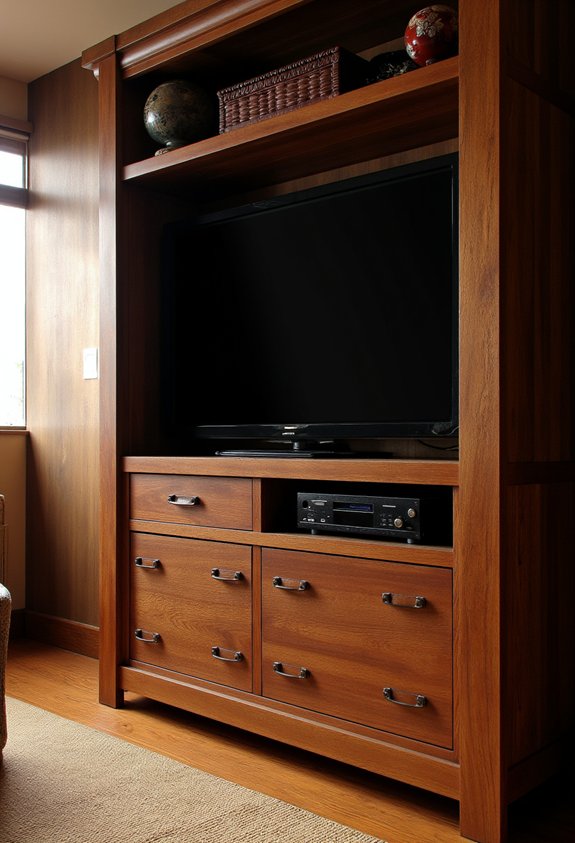
While the TCLVSKIT2's 3/4 HP motor gives a broad, usable range—650 to 3800 RPM across three belt positions—it performs best on small to medium turning tasks and shows limits under heavy load.
The Variable Speed Motor boosts performance and speed control and quiets the headstock, but torque falls short against dense or large blanks. Proper installation, alignment, and tensioning are essential; missteps cause bogging and reduce belt longevity.
Operators seeking freedom to push limits should stock extra belts and expect occasional adjustments.
Recommendations:
- Check shaft alignment and tension during install, use the supplied hardware.
- Start in mid-range (1250–2800 RPM) for general turning, shift belts for heavy cuts.
- Replace belts proactively; inspect after heavy sessions.
Clear, practical, and unglamorous. Expect modest gains.
Value for Money Analysis
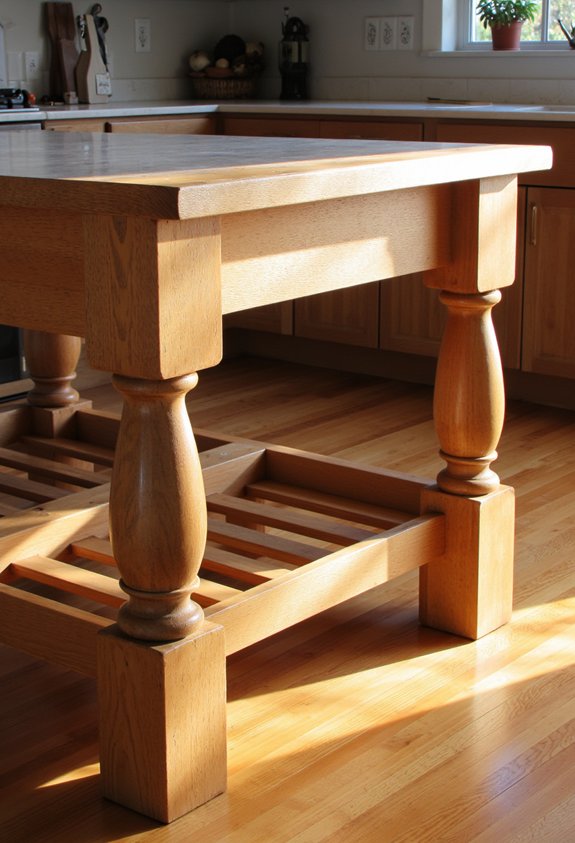
Value is pragmatic here: the TCLVSKIT2 offers a low-cost path to true variable-speed control and a 3/4 HP motor (650–3,800 RPM) without buying a new lathe.
Overall, the kit delivers pragmatic gains: the 3/4 HP variable speed motor expands operation to 650–3,800 RPM across three belt positions, avoiding a new lathe purchase.
Variable Speed Motor: Shaft measures 15mm diameter, 2-1/4 inches long, a clear fit metric. Variable Speed; Includes a switch box controller, motor mounting plate, pulley, and hardware, so extra buys are minimal.
Installation suits most hobbyists. Ratings (4.3/5 from 46) back solid performance.
Caveat: mixed customer service suggests documenting contact and expecting minor adjustments.
Bottom line: value for money is strong—affordable, capable, and freeing. It delivers freedom, performance, predictability, and sensible savings.
Who Should (and Shouldn't) Buy This
If a woodturner owns a small-to-medium benchtop lathe and wants true variable-speed control without buying a new machine, this kit fits the bill.
The TCLVSKIT2 includes a 3/4 HP Variable Speed motor, switch box, and hardware.
Claim: it liberates moderate users from stepped speeds.
Evidence: compatible with PSI Turncrafter, Jet 1015, Delta 46-455 and similar benchtops; ideal for pens and small bowls.
Warning: avoid for large lathes or heavy projects—performance issues under sustained load have been reported.
Installation can require alignment and minor modifications.
Recommendation checklist:
- Confirm compatibility and shaft clearance.
- Allocate 20–40 minutes, expect alignment tweaks.
- Plan for light-to-moderate turning, not an industrial upgrade.
Buyers should weigh warranty and support, as customer service experiences sometimes vary and returns are time-limited.
Top 3 Competitors Compared
After determining suitability, a straight comparison of the TCLVSKIT2 with its top three competitors helps buyers choose the right upgrade.
The TCLVSKIT2 offers a 3/4 HP lathe motor, three belt positions and 650–3800 RPM, delivering balanced torque and Variable Speed control; installation is straightforward with included hardware.
TCLVSKIT2: 3/4 HP, three-belt 650–3800 RPM, balanced torque and easy installation with included hardware.
Competitor A typically supplies up to 1.2 HP, higher peak power but demands machining and adapter work.
Competitor B promises high RPM ranges but reports instability under load and variable control issues.
Competitor C matches ease of fit but sacrifices top-end power.
Recommendation: choose TCLVSKIT2 for reliable conversion and practical Speed range; opt for a higher-HP competitor only if willing to do custom modifications and tolerate possible control headaches.
Clear tradeoffs let users choose freedom to act.
-o-

Final Verdict
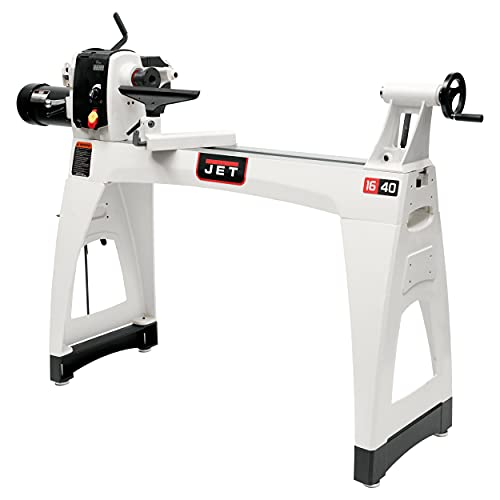
Practical upgrade: the TCLVSKIT2 converts many benchtop lathe to variable speed with a 3/4 HP motor and a 650–3,800 RPM range.
It delivers an efficient Variable Speed solution, with quick installation often under twenty minutes, clear components, and a lathe motor.
Evidence shows usable control across three belt positions, though power under heavy load can be limited for demanding turns.
Recommendation: ideal for hobbyists seeking liberation from fixed speeds, not for intensive industrial duty.
Consider compatibility before purchase, and accept minor adjustments on some models.
Warranty and solid ratings add confidence.
- Fast installation, 20 minutes, basic tools.
- Features, 3/4 HP motor, controller, pulleys.
- Caveat, may struggle under heavy load.
Final takeaway: choose TCLVSKIT2 for freedom, expect limits on heavy stock use.
Frequently Asked Questions
Do I Need a Variable Speed Lathe?
No, not required, but variable speed grants autonomy: precise lathe speed control improves woodturning techniques, informs beginner tips, enhances tool safety, inspires project ideas and simplifies maintenance tips for liberated craftsmanship and sustainable creative expression.
How Do I Change the Speed on a Lathe?
Like a dial brightening dawn, one adjusts the speed control knob to change lathe speed, shifts belts across lathe components when required, observes lathe maintenance routines, and practices liberating woodturning techniques with strict lathe safety.
What Is the Best MIDI Wood Lathe for Beginners?
The Jet 1015 ranks as best midi wood lathe for beginners, empowering creative freedom; reviewers recommend best beginner lathes, practical lathe safety tips, essential lathe tools, wood lathe maintenance, turning techniques basics, choosing wood types.
How to Determine Lathe Speed?
Like tuning a heartbeat, one determines lathe speed by matching motor RPM and belt positions to wood turning needs, using RPM adjustment, monitoring tool performance, aligning with project requirements, and observing safety considerations for freedom.
 African Mahogany Lathe Blank Review: Smoother Cuts, Less Waste
 14" X 40" Benchtop Wood Lathe Review: Power in 4 Speeds
 10 Best Wood Lathes Under $300 of 2025 — Budget Picks for Beginner Woodturners
Budget-Friendly Woodworking Tools Under $100: Essential Deals for Hobbyists


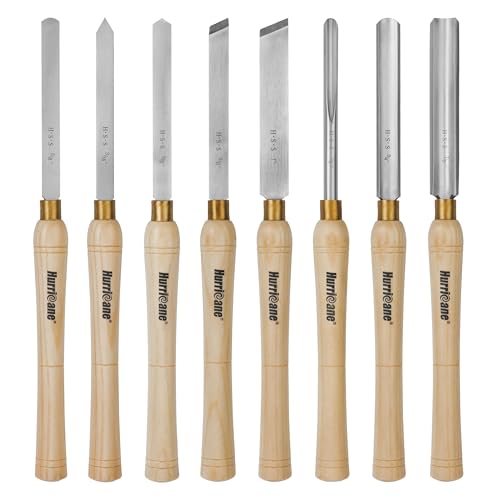


Premium Woodworking Equipment: Professional-Grade Tool Savings


If you want to know other articles similar to TCLVSKIT2 Lathe Upgrade Review: Variable Speed in 20 Min you can visit the Wood lathe category.
This is also interesting