
Hands-On Review: 13-Inch 2000W Planer Eats 3mm, Snipe Tamed


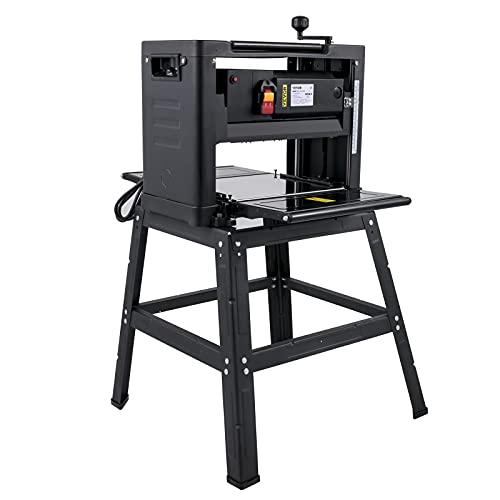

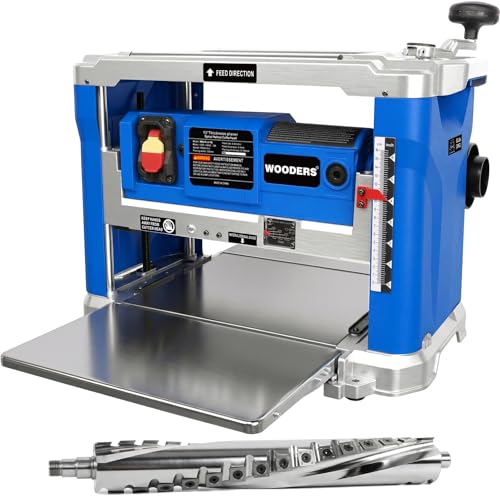
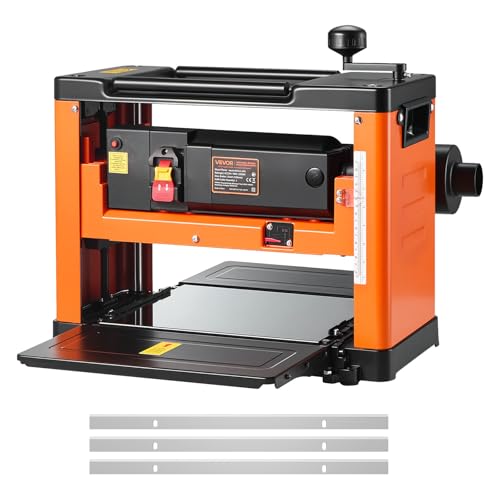
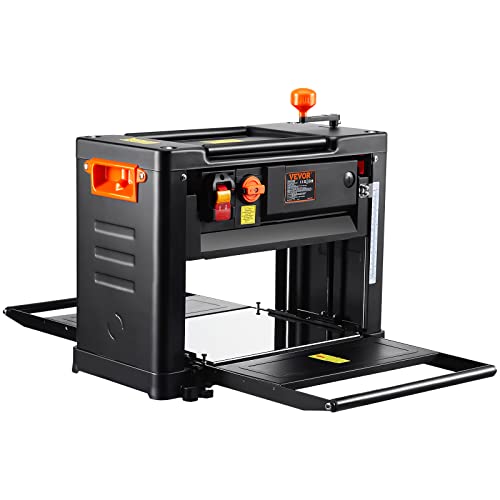
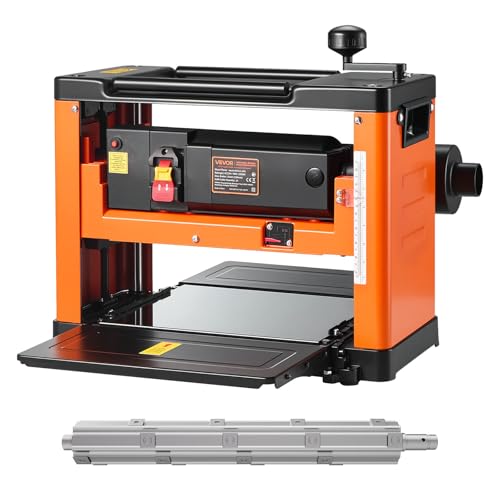
The 13‑inch, 2000W benchtop planer performs well for hobbyists, cutting 1–3 mm per pass while keeping snipe low thanks to a helical cutter head, cast‑aluminum base and metal feed roller. Dual speeds suit soft and hardwoods. Recommend 1/16‑inch depth increments and a dust collector. It costs about $360, weighs ~30 kg, and is not built for heavy professional duty. Expect smooth finishes, routine blade and brush access. More specifics and setup tips follow below now.
Main Points
- 2000W motor and helical cutter head deliver smooth 1–3mm passes with reduced tear-out.
- Dual-speed settings help match hardwoods and softwoods, though differences are modest in practice.
- Cast-aluminum base and metal feed roller minimize vibration and feeding inconsistencies, improving finish and snipe control.
- Ideal for hobbyists on a budget—competitively priced around $360 versus Ridgid’s $500.
- Check carbon brush and blade access, dust port setup, and mount on a flat bench for reliable long-term use.
Quick Specs & Price Check
This model’s helical cutter head option is praised for smoother finishes and reduced snipe in comparable 13-inch planers.Why This Product Stands Out

Following the quick specs and price check, the Vevoir 13-inch dual-speed thickness planer stands out for delivering practical control and clear budget value.
It offers dual speeds—slow for hardwoods to reduce chatter, fast for softwoods—letting the user choose performance. The inch/metric scale with eighths and 1/16-inch depth adjustments gives precise results, down to reliable 0.0625-inch steps.
Dual speeds reduce hardwood chatter or speed softwood work, with inch/metric scales and precise 1/16‑inch (0.0625) depth adjustments.
At about $360, it undercuts pricier alternatives like the Ridgid near $500 while keeping core functions. For hobbyists seeking autonomy, it’s a really nice balance of power and predictability.
Recommendation: use slow speed on dense boards, set depth increments no more than 1/16-inch per pass, and expect consistent cuts for one- to three-millimeter passes.
Practical, affordable, not premium. Accept minor trade-offs; serviceability and features remain straightforward and sufficient.
It also includes safety features like over-current protection and ergonomic design touches highlighted across VEVOR’s lineup, reinforcing its beginner-friendly appeal without sacrificing performance.
First Impressions & Build Quality

The cast aluminum base gives the planer a rigid, low-vibration platform, and at about 30 kg the unit sits firmly during cuts.
A solid carry handle and built-in metal feed roller simplify placement and board feeding, but the weight limits single-person portability—plan on two people or a permanent bench mount.
Controls are simple and practical, with repeatable 1–3 mm per-pass adjustments; it should be bolted to a benchtop and used with the feed roller for consistent results, otherwise accuracy and operator comfort will suffer.
For reference, the DEWALT DW735X is praised for its dust collection and automatic carriage lock, offering a benchmark for clean operation and reduced snipe.
Solid Aluminum Base
A solid aluminum base gives this 13-inch thickness planer the stability and durability it needs for routine shop work. It anchors the cutter head, reduces vibration, and yields consistent passes up to the 1–3mm depth the machine advertises.
Build quality reads solid, no major faults noted; fasteners are flush, tolerances acceptable. The adjustment mechanism delivers precise height stops across the 10–160mm range, so repeatable cuts are realistic.
For users seeking liberation from sloppy surfacing, this base supports controlled, confident feeding.
Recommendation: mount on a flat, level workbench, check and tighten mounting bolts monthly, and verify blade alignment after initial runs.
No miracle—just dependable platform performance. Expect improved finish and fewer tear-outs when set up correctly. Minimal vibration equals cleaner boards and less rework overall.
Tip: prioritize models with integrated dust management to keep the workspace cleaner and improve safety during extended planing sessions.
Weight and Portability
Weighing 30 kg, this benchtop planer sits in a middle ground: light enough for a single workshop to reposition, heavy enough that moving it regularly requires planning.
The housing feels sturdy and the aluminum base stabilizes cuts, yet long-term reliability questions temper enthusiasm. The unit's weight supports stability, but portability relies on features: the top rollers, a built-in handle, and packaged size that fits standard benches.
Recommendation: place it near power and dust collection before committing. If frequent relocation is desired, plan for two-person moves or a wheeled cart rated 40 kg.
For liberation-minded woodworkers who value mobility, expect trade-offs: choose this model for occasional moves; opt for a lighter, modular unit if daily portability is essential.
Measure your space, then commit boldly, confidently.
From a budget planer perspective, prioritizing dust collection efficiency early helps maintain finish quality and reduces cleanup, especially when working dense hardwoods.
Controls and Ergonomics
Although compact and budget-oriented, the Vevoir’s control layout delivers practical, measurable precision for routine shop work.
Controls are straightforward: a 1/16-inch indexed adjustment gives repeatable depth settings, and a dual-speed selector lets operators match feed rate to wood species—slow for hardwoods, fast for softwoods.
Top rollers are ergonomic, easing board feeding and reducing fatigue.
Watch the dust port; it clogs without a vacuum connection and degrades performance.
Expect decent build quality for the price, but prepare for maintenance and possible chatter at high speed that needs sanding.
Recommendations: set depth in small increments, use slow speed for hardwoods, attach dust collection, keep spare blades and brushes, and document customer service interactions if warranty action is needed.
This keeps the liberated user firmly in control.
Performance Deep Dive

One key performance metric is how consistently the planer flattens and sizes stock across species and pass settings.
The 13 inch planer offers two feed speeds: slow for hardwood, fast for softwood. It cuts 1–3mm per pass and adjusts in precise 1/16" rotations, so repeatable thickness is achievable.
Three small-bite blades reduce tearout and improve finish, though softer woods can show chatter that requires light sanding.
The 2000W motor holds speed under load for hobby boards. Controls are straightforward; switch speed, set depth, feed.
Takeaway: expect reliable, basic performance, not premium refinement. For liberated makers who value freedom over frills, tune speed to material, keep blades sharp, and reset passes for smooth, consistent results.
Replace carbon brushes and blades per manual for longevity regularly.
Who Should (and Shouldn't) Buy This

If the buyer is a budget-minded hobbyist who planes intermittently and accepts modest trade-offs, the 13-inch, 2000W benchtop planer is a sensible tool. It delivers 1–3mm one-pass cuts, 330mm width, and a 2000W copper motor at 8000 rpm, enough for most softwoods and many hardwoods.
For makers seeking freedom to build small furniture and repairs, it balances cost (~$360) and capability. It is not for serious pros who need preset stops, heavy-duty durability, or robust parts support.
Those prioritizing long-term service or advanced features should plan to spend an extra $150–$200.
Practical steps: check carbon brush and blade access, verify dust port setup, test with 10–160mm stock. Expect modest reliability; accept limited spare-part availability.
They will gain practical freedom, but should manage expectations accordingly reasonably.
Top 3 Competitors Compared
The market narrows to three practical choices: Vevoir, Ridgid, and Ryobi/Bauer.
Vevoir gives a 13-inch planer at roughly $360, dual speeds (slow for hardwood, fast for softwood), and decent basic performance. Expect chatter at high speed and dust-port clogging without a vacuum.
Ridgid sits near $500, adds preset stops for repeat cuts, sturdier dust management, and better durability—pay for precision.
Ryobi and Bauer target budget buyers, competent but lacking standout features.
Recommendation: hobbyists seeking liberation from complexity choose Vevoir and add dust collection; shops needing repeatable accuracy budget an extra $150–200 for Ridgid-class machines.
Actionable step: match material, budget, and desired throughput before buying. No romance—pick the tool that frees work, not excuses.
Measure thickness capacity and feed rate to confirm fit before purchase.
-o-
Final Verdict
Practicality favors the Vevoir 13-inch dual-speed planer as a cost-effective entry point at roughly $360, but not as a long-term shop workhorse.
It delivers 2000W power, 330mm width, and one-pass planing of 1–3mm, and handled cedar, maple, and oak acceptably.
Dual speeds exist, but utility is limited; slower helps hardwoods, faster suits softwoods.
Durability and spare-part uncertainty weaken the investment case.
Recommendation: hobbyists seeking freedom to build should buy, pair with a dust collector, and expect light to moderate duty.
Professionals or heavy users should add $150–200 for a sturdier model.
Use the included bracket for boards up to 2m, and check carbon brush wear to avoid surprises.
Practical, affordable, but replace sooner.

-o-
Frequently Asked Questions
Is the Kobalt 13 Inch Planer Any Good?
Yes, it offers solid Planer Performance, empowering liberated hobbyists with a 2000W motor, adjustable depth, and low snipe; users appreciate reliable cuts, portability, and vacuum exhaust compatibility for freedom in woodworking and creative control daily.
How to Avoid Snipe on Planer?
Like a compass, the liberated woodworker practices Snipe Prevention: align infeed and outfeed to the bed, use a backer board, feed steadily, support long boards, guarantee dust collection, and keep blades sharp for snipe-free freedom.
Are Ridgid Planers Any Good?
Yes. Ridgid planers offer strong Planer Performance, combining durable build, precise preset stops, and reliable motors that empower liberated makers, granting autonomy, consistent results, reduced part worries, and confidence for serious hobbyists and professionals alike.
What Should You Not Use a Planer For?
They should not use a planer on warped, twisted, knotty, wet, excessively thick, or metal-containing boards, nor on pieces with severe defects; Planer Limitations protect tool integrity and empower liberated, safer woodworking and preserve creativity.
 VEVOR 13-Inch Planer Review: Rough to Glassy at 23,500 RPM
 Makita 2012NB Planer Review: Snipe-Free Boards, Cleaner Shop
Budget-Friendly Woodworking Tools Under $100: Essential Deals for Hobbyists




Premium Woodworking Equipment: Professional-Grade Tool Savings


If you want to know other articles similar to Hands-On Review: 13-Inch 2000W Planer Eats 3mm, Snipe Tamed you can visit the Planers category.
This is also interesting