
13-Inch Planer Review: Rough to Glue-Ready at 21 Ft/Min


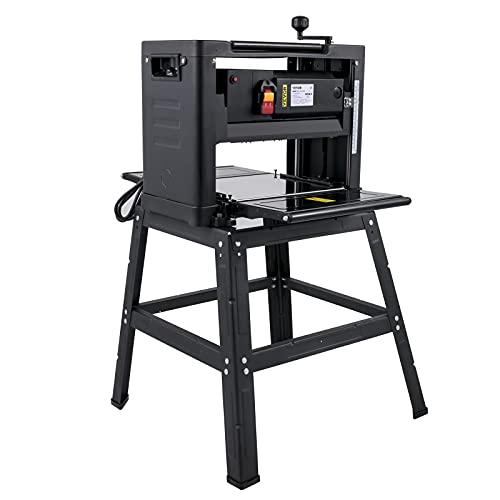

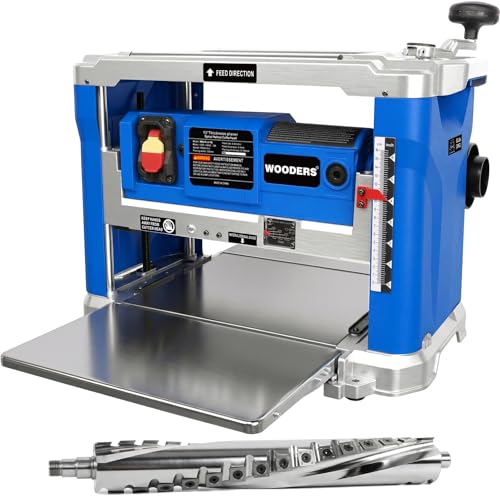
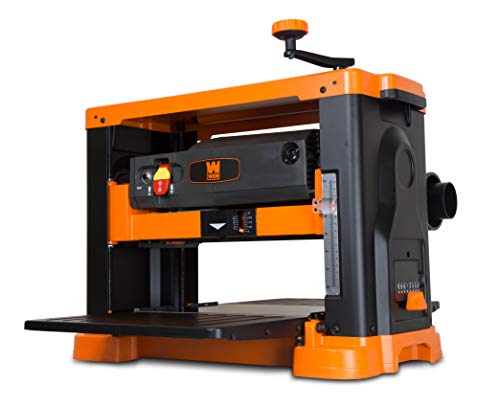
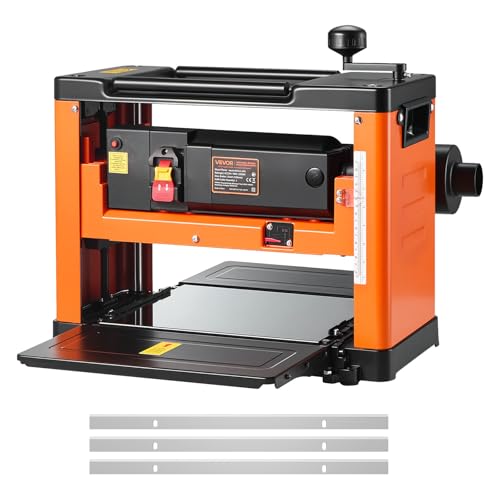
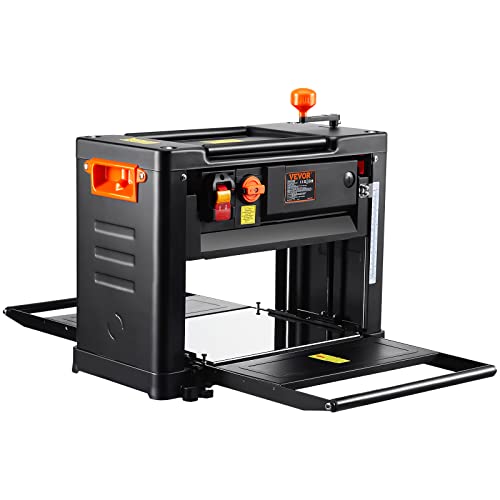
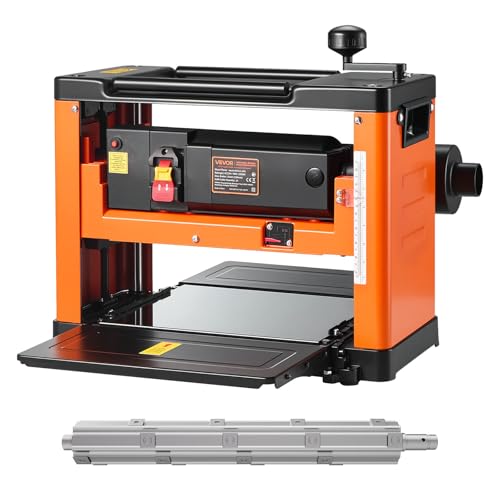
The 13-inch benchtop planer runs a 2000W motor at 21 ft/min, planes up to 12.5" wide and 6.2" thick, and weighs about 50 lbs. It delivers glue-ready faces with light passes; minimal snipe if board angling is correct. Foldable infeed/outfeed tables, onboard tool storage, and a dust-port improve jobsite practicality. Build mixes metal and plastic, so adjust plastic parts. Not for heavy industrial throughput; continue for full setup, performance, competitor comparisons, and buying advice now.
Main Points
- 21 ft/min feed rate delivers efficient rough-to-glue-ready stock removal for hobbyists and small shops without excessive tear-out when using light passes.
- 13-inch width and 6.2-inch thickness capacity handles most boards, with foldable infeed/outfeed tables for longer workpieces.
- 2000W motor provides consistent power at rated speed, though feed control and sharp blades determine final surface quality.
- Mostly metal construction balances portability (~50–52 lbs) and durability, though some plastic parts may need occasional adjustment.
- Dust port and onboard tool storage aid cleanup and blade changes, but upgrade to a shop-vac for effective dust collection.
Quick Specs & Price Check
Choose models with quick-change blades to minimize downtime and maintain smooth results on a budget.Why This Product Stands Out

Because it pairs a 21 ft/min feed rate with a compact, durable layout, the WOODSTARTER 13-inch planer stands out for small shops and mobile users who need speed without heavy gear.
It accelerates throughput, while maintaining control: plan up to 6.2" thickness, 12.5" width capacity, and consistent passes that cut setup time. Onboard tool storage reduces lost bits. A lockable on/off switch and removable dust cover improve safety and maintenance; users should make sure dust exits properly to protect vacuums. For comparable context, top benchtop units like the DEWALT DW735X and helical cutterheads on models such as the WEN PL1326 show how blade design and power can influence finish quality and efficiency.
At roughly 50 pounds, it balances portability and stability. Recommendation: use steady feed, verify cutter engagement, and keep the dust port clear.
About 50 lbs — portable yet stable; feed steadily, confirm cutter engagement, and keep the dust port clear
Expect fast stock removal, clear workflow gains, and modest compromises in heavy industrial cycles. It rewards makers who value speed and autonomy.
First Impressions & Build Quality

The planer presents mostly metal construction—aluminum castings with plastic trim—and a clean beige/silver finish that resists fingerprints; at roughly 50–52 lb the unit feels sturdy yet portable, so inspect for sharp edges, paint runs, and loose castings before first use. Assembly and fit are straightforward: confirm all fasteners are torqued, check that foldable tables and the removable dust cover lock flat with no gaps, and expect minor play in plastic components—tighten and realign to prevent chatter. Controls are simple and logically placed, but buyers should test the depth knob for smooth, repeatable increments, verify the limit stop, and run the motor briefly to hear bearing noise; if anything feels sloppy, pursue return or replacement without hesitation. For performance and safety, verify dust management compatibility and ensure over-current protection aligns with your shop setup, as highlighted in the 2025 planer guide.
Materials and Finish
Construction favors lightweight durability: aluminum castings and impact‑resistant plastic form the bulk of the chassis, keeping the planer around 50–52 pounds.
The finish is functional — beige and silver paint resists chips, seams are sealed where it matters. Materials feel utilitarian, not premium; pretty good for a benchtop that prioritizes mobility and shop freedom.
Practical features back that claim: foldable tables save space, a 12.5‑inch planing width processes stock up to 6.2 inches, onboard tool storage reduces clutter, and the removable dust cover simplifies maintenance.
Recommendation: accept modest cosmetic fit for robust, serviceable parts; inspect painted surfaces and dust cover latch on arrival.
Expect durable core parts; demand tight tolerances if you seek perfection. This balance favors freedom: portable strength over showroom gloss, deliberately.
For context, many 13-inch benchtop units pair portability with strong performance, such as the DEWALT DW735X’s automatic carriage lock that minimizes snipe while maintaining excellent dust collection.
Assembly and Fit
Although it ships mostly assembled, users should budget 15–30 minutes for initial setup to attach the foldable tables, fit the dust cover, and tighten the visible fasteners.
The unit’s aluminum and plastic shell feels sturdy, weighing about 50 pounds yet portable enough to move. Attach the extension tables squarely, tighten all fasteners to spec, and confirm the easy-to-remove dust cover latches cleanly.
Store wrench and spare parts in the onboard tool storage to avoid hunting a piece of Walnut test board. The 12.5-inch capacity handles typical stock; check alignment with a straight edge before planing.
Verdict: straightforward assembly, clear steps, occasional fiddling with fasteners. Liberation comes in predictable setup and immediate work readiness. Inspect for loose parts, tighten, and test on scrap before finishing.
For best results and cleaner setup, ensure your dust collection is compatible with helical cutterheads and verify adequate 230/240V supply if you plan to upgrade to larger premium planers later.
Controls and Ergonomics
After initial assembly, users will find the control layout and build aimed at quick setup and tight shops.
The benchtop's compact footprint and foldable tables free up bench space, weighing about 50 pounds and easy to move.
Controls are ergonomic, with a lockable on/off switch and simple feed adjustments.
Aluminum and plastic construction balances durability and portability.
Onboard tool storage keeps blades and wrenches at hand.
Recommendation: secure the base, test the lock switch, and plan dust routing before operation.
Note limits: lightweight frame trades some vibration resistance for mobility.
Expect solid performance, but bring outboard support for long boards.
Use it to liberate shop workflow, setups, fewer compromises.
Straightforward and practical.
Check grounding, verify dust port fit, clamp boards, adjust thickness before feeding.
Performance Deep Dive

Every woodworker preparing to run the WOODSTARTER 13-inch planer should treat feed control, blade condition, and table setup as the primary performance levers. Claim: at 21 ft/min the machine moves stock quickly; powered rollers maintain steady feed and cut when infeed/outfeed tables are aligned. Evidence: take light passes to reduce tear out, check blades before work, and apply paste wax to tables for smoother tracking.
| Problem | Relief |
|---|---|
| Snipe | Smooth feed, less waste |
| Dust | Dust collector restores control |
Use the dust collector port, match hose size, and keep it clear to feel liberated from sawdust and cleanup. Takeaway: set the limit stop, favor shallower cuts, and verify roller pressure, then expect glue ready boards. Routine checks restore confidence, improve longevity, and free makers to create
Who Should (and Shouldn't) Buy This

Two groups will get the most from the WOODSTARTER 13-inch planer.
First, beginners and woodworking enthusiasts who want affordable control over thickness will benefit: 13" width, 2000W motor, 21 ft/min feed, and adjustable cuts from 0.25" to 6.2" make quick, really good prep for tabletops and cutting boards.
Second, hobbyists in small shops who need portability and compact storage will like the 52 lb benchtop, foldable tables and 29" worktable reach. They gain less sanding and faster glue-ready stock.
Those who need all-day, heavy-production durability should look higher. Professionals seeking premium longevity and advanced features may prefer heavier duty models.
Also, hearing protection is advised—this planer runs loud. It handles softwoods and hardwoods well with 3 HSS blades, though dust collection can need improvement.
Top 3 Competitors Compared
For buyers weighing portability and budget against worksite durability, the WOODSTARTER lines up against three clear rivals: the Craftsman, the DeWalt DW735X, and the Makita 2012NB.
| Model | Key specs |
|---|---|
| WOODSTARTER | 13 inch planer, 21 ft/min, 52 lb |
| Craftsman | 12.5-inch, 21 ft/min, ~$299 |
| DeWalt DW735X | 13-inch, two-speed gearbox, $399+ |
| Makita 2012NB | 12-inch, ~60 lb, quieter, $399+ |
WOODSTARTER’s 2000W motor and three HSS blades favor fast, clean passes. Craftsman is the budget entry, adequate for light shops. DeWalt wins for heavy use, offering durability and speed options. Makita appeals where lower noise and build quality matter. For liberation-minded users: pick the tool that frees time and space. Practical takeaway: choose WOODSTARTER for balanced on-site work, DeWalt production, Craftsman to save money, Makita to minimize noise. Clearly.
-o-
Final Verdict
Verdict: the WOODSTARTER 13-inch planer delivers practical performance for small shops and mobile setups. The unit runs at 21 ft/min, handles 12.5-inch width, and weighs about 50 lbs, freeing operators from bulky stationary machines.
It achieves glue-ready surfaces with proper technique, and regular blade checks prolong life for a long time. Expect minimal snipe if boards are angled and stops used. Recommended for those who value portability and clear results; not for heavy industrial throughput.
- Compact freedom: transportable 50 lb body, quick setup, 29" table when extended.
- Clean cuts: 2000W motor, 3 HSS blades, smooth hardwood results.
- Maintain or falter: replace blades, verify dust port and grounding.
Bottom line: Practical, affordable, and honest. It grants users freedom to build without compromise.

-o-
Frequently Asked Questions
What Should You Not Use a Planer For?
Like a compass avoiding the abyss, they should not use a planer for knotty, wet, epoxy-filled, excessively resinous, warped, overly thick, or irregular, unstable boards — Planer Limitations warn against materials that clog, damage, or snipe.
Are Ridgid Planers Good?
Ridgid planers are good, delivering robust build, reliable motor performance and practical Planer Features that empower woodworkers seeking liberation through self-reliant craftsmanship, efficient dust management, smooth finishes, and ergonomic, dependable operation for creative freedom today.
How to Stop Planner From Gouging Wood?
50% shallower passes stop gouging: they employ Gouging Prevention by taking lighter cuts, sharpening blades, leveling infeed/outfeed, supporting boards with a sled, and adjusting feed speed and alignment, empowering liberated woodworkers to confidently finish cleanly.
Is the Kobalt 13 Inch Planer Any Good?
Yes. The Kobalt 13-inch planer offers solid Planer Performance, empowering woodworkers with reliable power, smooth cuts, portability, and adjustable tables; it liberates hobbyists from limitations, though dust collection and grounding concerns merit attention and empowerment.
 Hoteche 10-Inch Planer/Jointer Review: 2-in-1, 3mm Per Pass
 WEN PL1337 + JT630H Review: Glue-Ready Edges, Flat Faces
Budget-Friendly Woodworking Tools Under $100: Essential Deals for Hobbyists




Premium Woodworking Equipment: Professional-Grade Tool Savings


If you want to know other articles similar to 13-Inch Planer Review: Rough to Glue-Ready at 21 Ft/Min you can visit the Planers category.
This is also interesting