
JET 12-Inch Planer/Jointer Review: Glue-Ready in 2 Passes




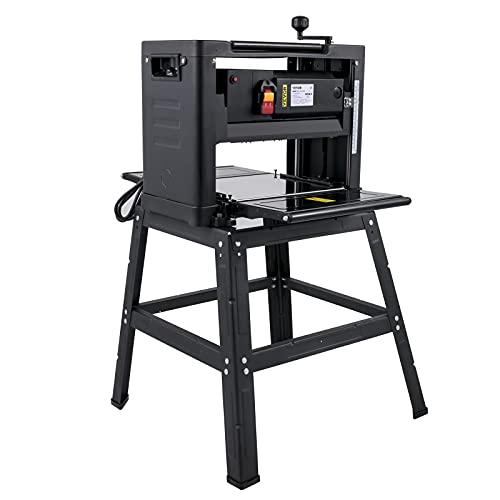

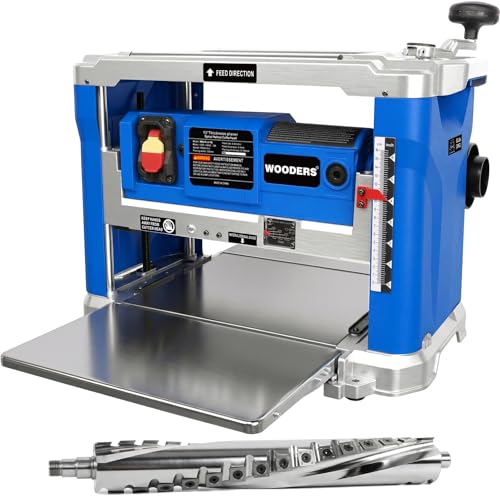
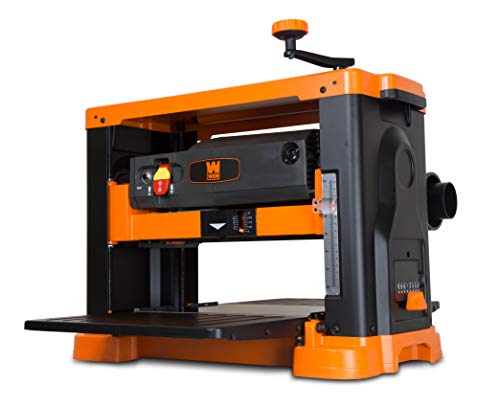
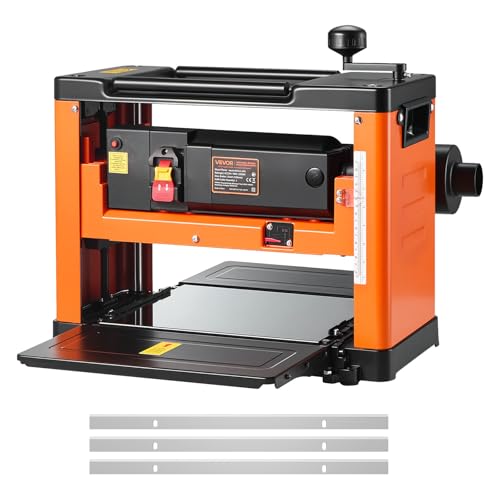
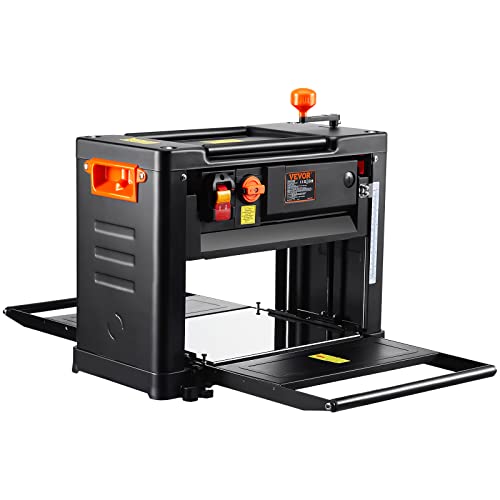
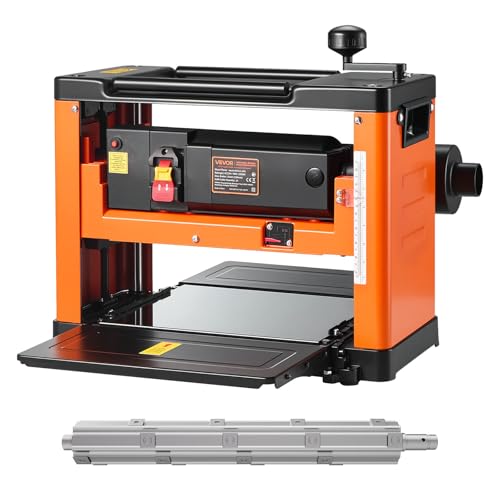
JET’s 12‑inch JPJ‑12BHH pairs a 3 HP, 230V motor with a 42‑insert helical cutterhead to produce glue‑ready surfaces in as few as two passes on hardwoods. The heavy cast‑iron tables and 600‑lb frame cut noise and snipe; expect quieter operation and cleaner edges than straight‑knife machines. Beginners should still check table flatness and fence alignment before use. It’s a shop‑bound machine, not a portable unit. More specifics follow, including setup tips, adjustments and competitor comparisons.
Main Points
- Helical 42-carbide insert cutterhead produces glue-ready surfaces often in two passes, minimizing tearout and snipe.
- 3 HP 230V motor and heavy 600-lb cast-iron construction deliver stability and consistent performance on dense hardwoods.
- Maintains a true 12-inch cutting width and square edges, suitable for milling wide boards and 8/4 maple.
- Tool-free switch and quick mode switching improve workflow and minimize downtime between jointing and planing.
- Best for serious hobbyists and small shops seeking glue-ready finish and quieter operation; not ideal for ultra-portable or low-budget users.
Quick Specs & Price Check
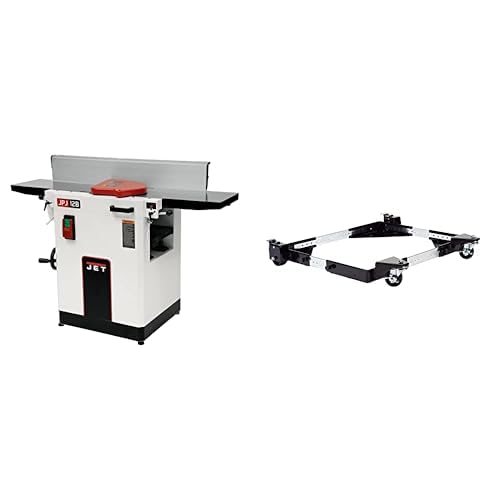
Why This Product Stands Out
Because it pairs a 12‑inch cutting width with a 3‑HP 230V motor and a 42‑insert helical cutterhead, the JET JJP‑12HH produces glue‑ready surfaces in as few as two passes on most hardwoods. It also benefits from the quieter operation and durability associated with helical cutterheads, aligning with 2025 recommendations that favor this technology for smoother cuts and reduced maintenance.
It acts as a liberation tool for workshops, freeing time and rework. The helical head means quieter cuts, reduced tearout, and predictable edge quality.
As a practical combo machine it streamlines workflow between jointing and planing with no tool change.
Recommended use: run 8/4 maple at conservative feed, check bite, then finish with a second light pass.
Visualize capability:
- 12 inch width, wide boards, fewer joins
- 42 inserts, glassy finish in two passes
- Tool free switch, maintain momentum
- Parallelogram action, steady depth, repeatable results
Buy if productivity matters.
-o-
First Impressions & Build Quality
The machine presents a solid fit and finish: cast‑iron tables with a ground surface show tight seams and consistent machining, and the one‑piece steel stand feels rigid and well‑welded under hands‑on inspection, all pointing to a heavy‑duty foundation for regular shop work.
Confirm flatness with a 36‑inch straightedge and feeler gauge across the tables, verify consistent table‑to‑cutterhead gaps, and snug the mounting tabs to the manual’s torque recommendations before cutting.
If visible gaps, warps, or loose welds appear, document them with photos and use the 30‑day return window or contact JET warranty support—shipping can stress a 600‑lb machine, so inspect promptly.
For dust control and surface quality, pair the machine with a collector that can handle a five‑inch dust chute and maintain airflow by checking hoses, filters, and seals regularly.
Fit and Finish
At 600 pounds, the JET JJP-12HH immediately reads as a shop centerpiece rather than a weekend toy. The fit is tight; panels align with small, even gaps.
Initial assembly arrives nearly complete, reducing setup friction and liberating time for actual work. Protective goop on beds and residual dust demand solvent and light scrubbing; remove before calibration.
The helical cutterhead's carbide inserts yield a clean surface and quieter run, so less sanding and fewer tearout fixes. For context, many top planers prioritize dust management and safety features, reinforcing the value of a cleaner, safer workspace.
Practical takeaways:
- Inspect gaps, tighten hardware.
- Clean goop with mineral spirits, wipe dry.
- Run a test cut, listen for chatter.
- Adjust parallelogram for consistent depth.
Final recommendation: re-torque all fasteners to spec, square the fence, then enjoy unshackled focus on precise glue-ups and save time.
Cast-Iron Table Quality
Following the re-torque and fence-squaring steps, attention turns to the cast-iron tables as the real foundation of consistent performance. The machine delivers robust cast-iron table quality, with a 55-inch jointer bed and a 21-1/4-inch planer surface that support larger stock without flex.
The material dampens vibration, stabilizes the cut, and holds flatness over time. Combined with the helical cutterhead design, it produces glue-ready faces in two passes with predictable results. For context, premium planers in 2025 emphasize helical cutterheads paired with precision-ground cast-iron tables and dual-speed feeds to maximize finish quality and efficiency.
Practical advice: check flatness periodically, re-torque mounting points after heavy use, and keep mating surfaces clean. Expect longevity, minimal realignment, and improved finish.
One blunt note: heavy cast iron means weight and commitment. For liberation-minded users, this is dependable muscle that earns its footprint. Measure before transport, and plan placement accordingly to avoid regrets.
One-Piece Steel Stand
Stability announces itself when the 600‑pound unit settles onto its one‑piece steel stand. The machine sits on a fully welded steel frame and closed base cabinet, minimizing vibration and locking cut quality.
The reviewer notes accommodation for the 3 horsepower motor and a compact footprint that frees shop floor space. Practical steps: level the stand, torque anchor bolts to mounting tabs, and inspect welds periodically.
- Thick welded seams, mass that resists chatter.
- Low center of gravity, keeps feed consistent.
- Small footprint, frees paths and layout options.
- Accessible motor bay, service without lifting the deck.
Takeaway: the one-piece steel stand earns a clear recommendation for serious users seeking stable, long-term performance. Anchor, level, and run full cuts; expect longevity and freedom to focus on craft.
Performance Deep Dive
When set up correctly, the JET JPJ‑12BHH delivers planer performance that meets heavy‑use shop needs: minimal snipe, a cutting width that stays within a hair of the full 12 inches, and the capacity to handle 8/4 maple without drama.
The helical cutter head, with 42 carbide inserts, yields a fine surface and quieter cuts; it reduces tearout and speeds finishing. For precise edges, operators should perform tuning of individual knives and check bed alignment to 0.001 in.
The jointer is competent for faces and edges, though longer boards need auxiliary rollers. Use the 4" dust port and mobile base to keep flow mobile and clean.
Verdict: reliable power, fine finish, minor length limits—plan accordingly. Expect quieter shops, faster glue-ups, and freedom from sanding when dialed.
Who Should (and Shouldn't) Buy This
Although compact, the JET JPJ‑12BHH targets serious hobbyists and small‑shop owners who need a combined 12‑inch jointer/planer that saves floor space without giving up capacity.
It suits builders who value heavy-duty cast-iron jointer tables, a helical cutterhead, and 12‑inch width. Recommend it when:
- Milling 8/4 stock with minimal snipe and fast cuts.
- Needing both jointing and planing in one function to free space.
- Preferring a robust, mobile setup for bench-to-shop liberty.
- Willing to tune and maintain for top finish.
Avoid if expecting nonstop professional throughput; motor cuts off after ~45 minutes for cool-down.
Also avoid if unwilling to adjust setup. Practical, capable, not carefree. Users seeking liberation through self-reliance will appreciate its predictable limits and rewarding results.
Buy with confidence.
Top 3 Competitors Compared
Up against three direct rivals—Grizzly G0634XP, Laguna JPT‑12, and Powermatic PJ‑12—the JET JPJ‑12BHH stakes its claim on finish quality and user friendliness, thanks to its 42 four‑sided carbide‑insert helical cutterhead and fast, tool‑free mode switching.
The Grizzly matches capacity but lacks the helical head, producing more noise and tearout; Grizzly suits budget buyers.
Laguna offers a sturdier fence and better dust collection, ideal for shops valuing cleanup and maintenance.
Powermatic delivers longer tables and a premium finish for heavy production, at a higher price.
Warranty and support favor JET and Powermatic with five years versus Grizzly’s one.
If portability matters, JET ships with a mobile base, and its quick changeover saves time.
Pick by priorities: finish, maintenance, or mass production and speed, shop freedom.
-o-
Final Verdict
One clear conclusion: the JET JPJ‑12BHH is a shop‑grade combination that prioritizes finish and ease of use over bargain pricing or maximum throughput.
It delivers glue‑ready surfaces in two passes with a 42‑insert helical cutterhead and 3 HP motor, handling 12‑inch width and dense stock like 8/4 maple. Minimal snipe and a steady outfeed roller improve throughput. The jointer gives square edges; bevel cuts stay true.
- Use full‑width passes, keep feed steady, expect glue‑ready finish in two passes.
- Check fence and mobile base alignment before rip.
- Support long boards at outfeed, clamp when jointing edges.
- For dense hardwoods, reduce depth per pass to 1/32–1/16 inch.
Bottom line: buy for finish and workflow; skip if you need the absolute cheapest option.
Frequently Asked Questions
What Is the Best Jointer Planer Combo?
The JET JJP-12HH is the best jointer-planer combo, empowering users with robust jointer features, multiple planer types handling wide, thick stock, helical cutterhead precision, heavy-duty stability and freedom to pursue uncompromised woodworking creativity and independence
Why Use a Jointer Instead of a Planer?
A jointer is used because it flattens and squares edges, providing essential jointer advantages for true reference faces and flawless glue-ups, empowering makers to escape planer limitations that cannot establish flat, straight edges with confidence.
Is a Planer Useless Without a Jointer?
No — like a compass in fog, the planer still guides the liberated maker: it offers planer benefits for smoothing and thickness control, though jointer advantages for flattening edges remain essential for flawless glue-ready results.
What Is a Jet Jointer Used For?
A jointer is used for wood flattening and edge straightening, providing a flat reference face. It liberates makers through precise jointer features, stabilizing boards, ensuring accurate edges and smooth surfaces for glue-ups and creative freedom.
 Hoteche 8" Jointer-Planer Review: Big Cuts, Small Footprint
 Grizzly G0891 Review: 15-Inch Helical Planer, Zero Snipe
Budget-Friendly Woodworking Tools Under $100: Essential Deals for Hobbyists




Premium Woodworking Equipment: Professional-Grade Tool Savings


If you want to know other articles similar to JET 12-Inch Planer/Jointer Review: Glue-Ready in 2 Passes you can visit the Planers category.
This is also interesting